EMBED. DELIVER. TRACE.
More than a file.
A reference you can recover.
Etchv embeds the digest of your reference data inside image pixels and returns a PNG. Save its watermark ID in your own system, then match a recovered identifier back to that record.
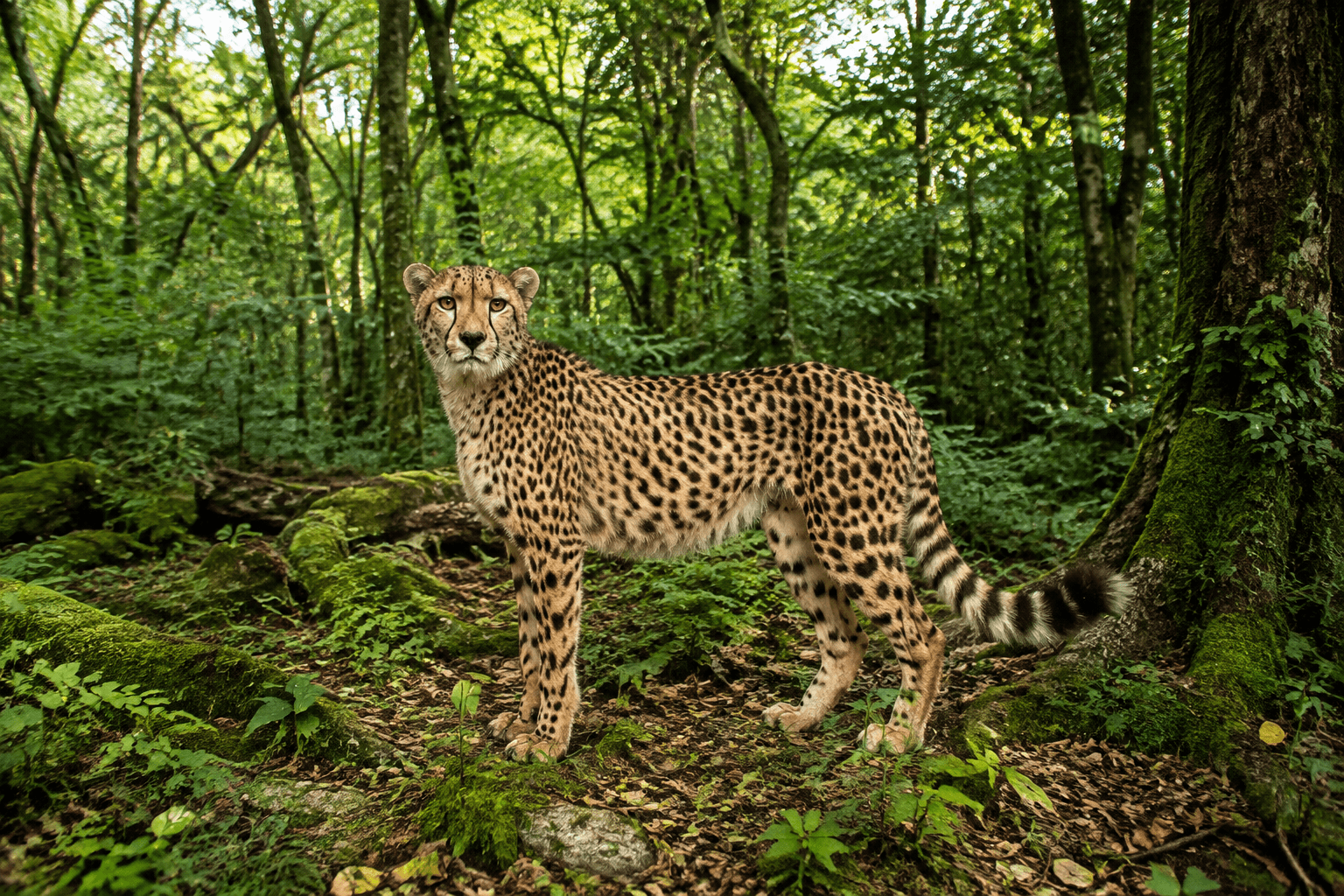 cheetah-forest.png
Choose the asset and the delivery record to associate with it.
Illustrative preview. No image is uploaded or watermarked here.
Embedded identity
A 256-bit digest connects the image to the data supplied during embedding.
Image detection
Submit an image and receive a detection result with a recovered ID when available.
HTTP integration
Use multipart uploads and scoped API keys from your existing backend.
Know exactly what you’re integrating.
Can I trace an image to a recipient?
Embed a different identifier for each delivery, then store the returned watermark ID with your recipient record. If an identifier is recovered later, your records provide the connection. A match is an investigative signal, not proof that a particular person leaked the image.
Does the watermark survive editing?
Recovery depends on the image and the transformations applied. Evaluate compression, resizing, cropping and your actual distribution workflow before relying on detection. Etchv does not claim that every watermark survives every edit.
Can Etchv detect any AI-generated image?
No. For AI provenance, watermark outputs at generation or delivery and associate their IDs with your generation records. Etchv can then look for those embedded identifiers; it does not determine whether an arbitrary, unmarked image was generated by AI.
Which media can I use today?
The current API supports image embedding and detection, with watermarked output delivered as PNG. Uploads are limited to 20 MB and 40 megapixels. Contact us about requirements for video, audio or documents.